





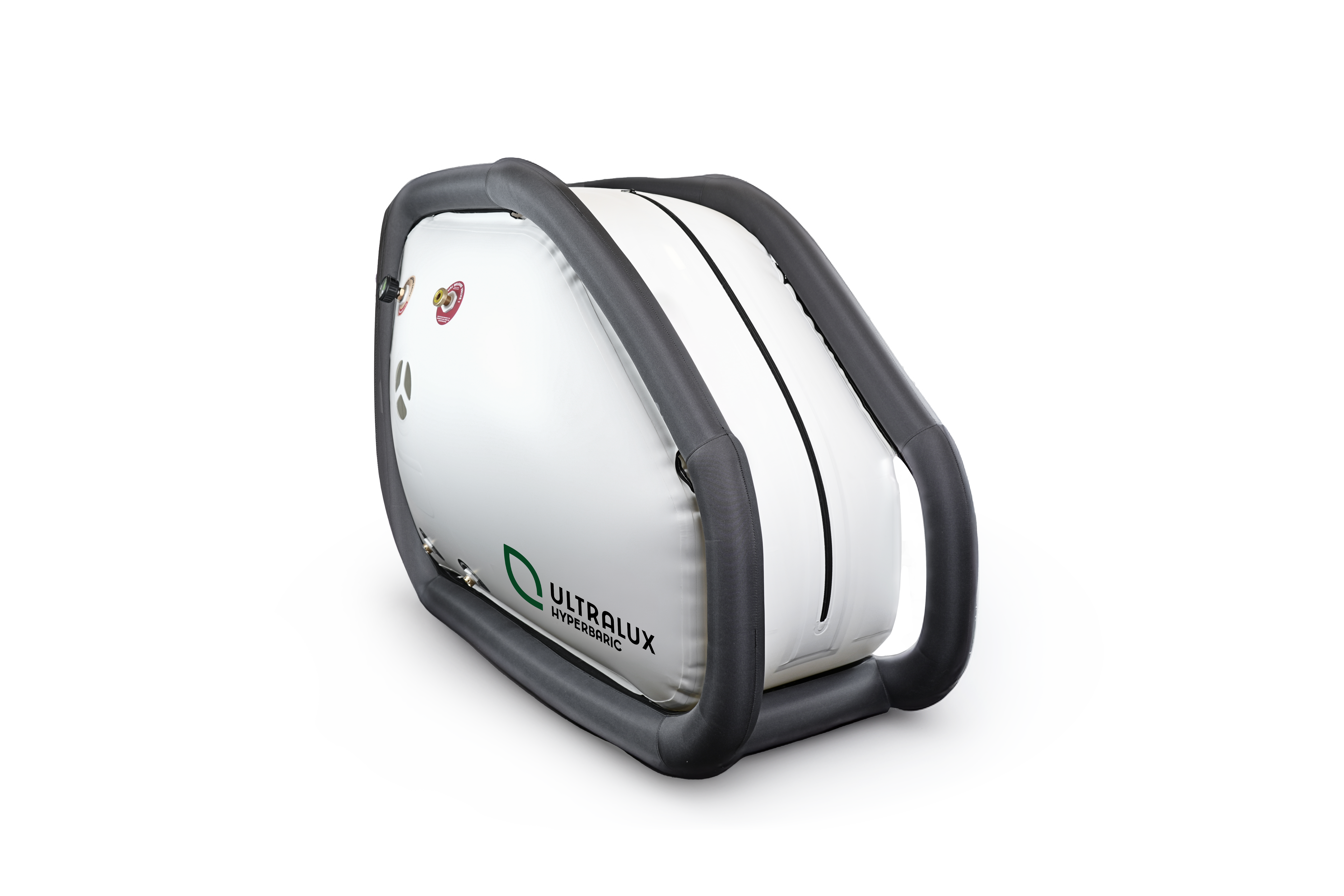



Hyperbaric Oxygen Therapy Studies
Uncover the Science: How Hyperbaric Oxygen Therapy Can Transform Your Health
Proven Therapeutic Benefits
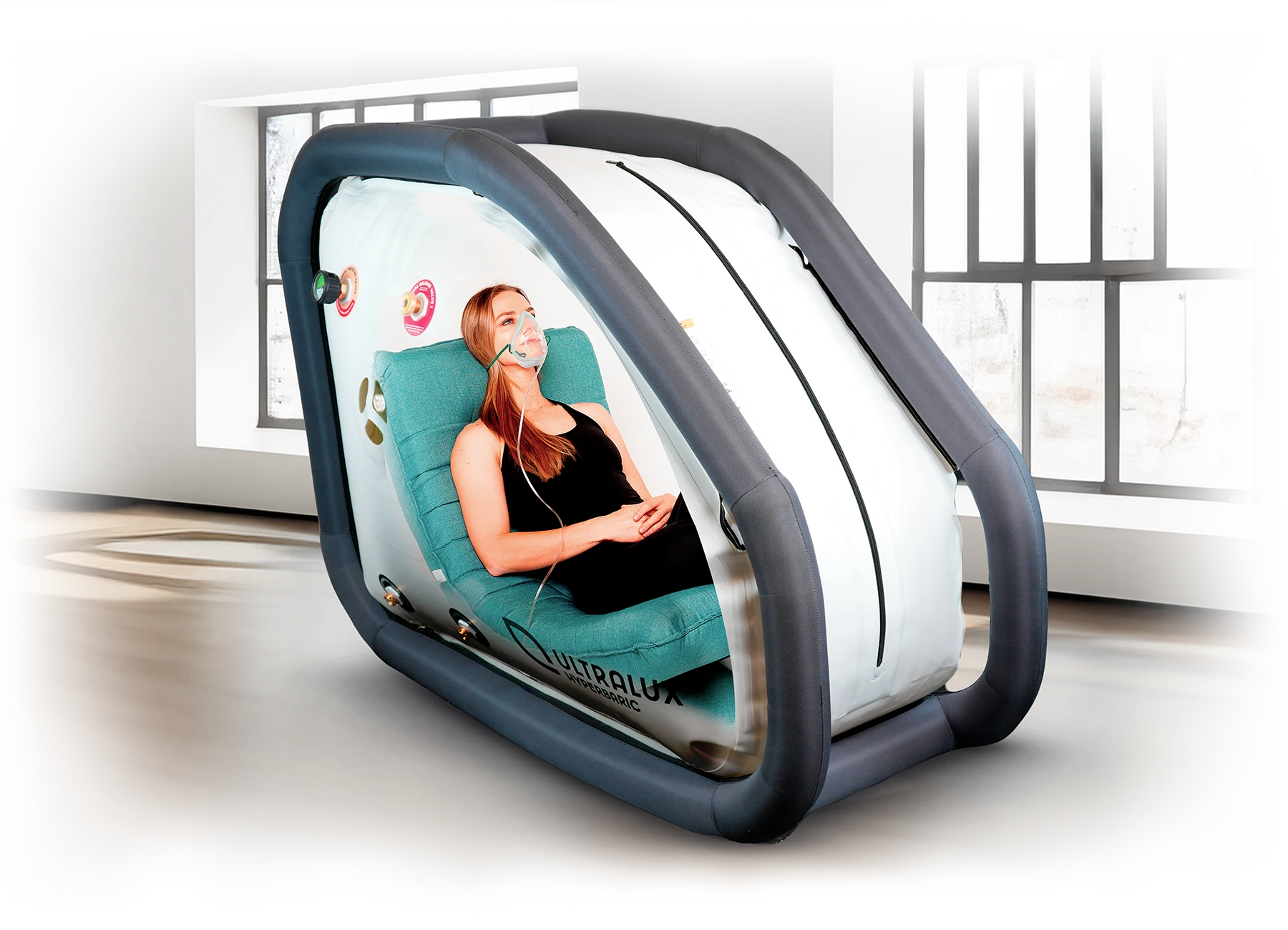
Through clinical trials and extensive research, hyperbaric oxygen therapy (HBOT) has been shown to significantly improve your overall well-being. By enhancing oxygen delivery to the tissues, HBOT promotes faster healing, reduces inflammation, and boosts your immune function. Studies have demonstrated its effectiveness in treating a wide range of conditions, including chronic wounds, traumatic brain injuries, and soft tissue infections.
Study Summaries

Healthy Aging with HBOT
Contrary to the belief that excessive oxygen accelerates aging, appropriate HBOT protocols have shown promise in combating aging without exceeding toxicity thresholds. Extensive research has enhanced our understanding of HBOT's mechanisms, revealing significant overlap between its therapeutic targets and those of aging-related diseases. Pre-clinical and small-scale clinical studies have validated HBOT's efficacy in promoting healthy aging.
HBOT Promotes Bone Health and Formation
A study examined the effects of hyperbaric oxygen therapy on osteoblast differentiation and bone nodule formation. Through exposing vital human osteoblast cells to HBOT for 90 minutes a day, researchers noted the treatment accelerated the rate of osteoblast differentiation, leading to an increase in bone formation.

Chronic Pain Management with Hyperbaric Oxygen Therapy
This double-blind, randomized, placebo-controlled study aimed to examine the effectiveness of hyperbaric oxygen therapy for treating patients with complex regional pain syndrome (CRPS). 71 patients were involved in the study with 37 patients treated by HBOT and 34 treated with normal air. In the HBOT group, there was a significant decrease in pain and edema and a significant increase in wrist range of motion (ROM). The study demonstrated HBOT as an efficacious and well-tolerated method for reducing pain and edema and increasing ROM in patients with CRPS.

HBOT Manages Pain from Traumatic Brain Injury (TBI)
A study investigating the effects of hyperbaric oxygen therapy observed the influence it had on those with traumatic brain injury (TBI). Through HBOT treatment, researchers found it provided improved tissue oxygenation, enhanced cellular metabolism, and a positive neuroprotective strategy in patients with TBI.

Reduce Inflammation and Support Muscle Injury with HBOT
In this study, researchers evaluated the effects of hyperbaric oxygen therapy (HBOT) on contused calf muscles in a rat model. Rats were treated with 100% oxygen at 2.5 atmospheres absolute for 2 hours per day after injury. Seven days post-injury, HBOT reduced early lower limb volume and muscle wet weight, improved muscle isometric strength, decreased early inflammation, accelerated macrophage invasion into the injured muscle, and increased the number of proliferating and differentiating satellite cells and regenerated muscle fibers. The results indicate HBOT effectively decreases inflammation and accelerates muscle regeneration in muscle injuries.

Hyperbaric Oxygen Therapy for Improving Skin Health
Researchers investigated the effects of hyperbaric oxygen therapy has on the skin, compiling a literature review of published HBOT studies from the past 20 years. Their findings show that the use of HBOT is becoming more common in the treatment of skin complications related to diabetes, as well as burn wounds. It is demonstrated that HBOT reduces the risk of foot ulcers and amputation in diabetic foot syndrome.

Improved Immune Response and Reduced Oxidative Stress with HBOT
This study investigated the immunological effects of three 110-minute hyperbaric oxygen therapy sessions, spaced 24 hours apart, on healthy, young male volunteers. Blood samples were taken before and after the sessions, demonstrating a decreased reactive oxygen species (ROS) production, with no changes in systemic oxidative stress or cytokine levels. These findings indicate repeated use of HBOT reduces harmful reactive oxygen species (ROS) generation.
HBOT Protects the Heart
This study investigated the impact HBOT has on the cardiovascular system by evaluating heart and arterial responses in HBOT-exposed rats. Results showed that HBOT improved heart contraction velocity, reduced infarct size, increased plasma nitrite levels, and enhanced arterial sensitivity to acetylcholine. Overall, hyperbaric oxygen therapy protects the heart when previously halted blood flow returns and improves vascular relaxation.
Pain Reduction in Cancer Patients with HBOT
A research review included studies with at least 10 patients that reported the effects of HBOT on late radiation toxicity (LRT) symptoms after breast and/or chest wall radiotherapy. Nine studies with a total of 1,308 patients were reviewed. The findings showed that HBOT brought significant reductions in pain, fibrosis, lymphedema, skin problems, and improvements in arm and shoulder mobility.

Hyperbaric Oxygen Therapy Supporting Cognitive Function
This study investigated the effects of hyperbaric oxygen therapy on cognitive function in those with traumatic brain injury. Rats were treated with HBOT daily at 0.2 MPa for 60 minutes. Using the Morris water maze test, the findings showed improved spatial learning and memory after 1 and 2 weeks of HBOT. Additionally, metabolic changes in the hippocampus region were observed, along with increased nerve cell numbers and decreased glial cell numbers. These results suggest that HBOT improves cognitive function through metabolic and cellular restoration in the hippocampus.